Loading...
Serving Mount Pleasant, SC and surrounding areas. (854) 858-0208
Ground moisture rises into unprotected crawl spaces every day in the Lowcountry. Proper vapor barrier installation keeps that moisture out before it damages floors, raises indoor humidity, and drives up cooling costs.
Ground moisture rises into unprotected crawl spaces every day in the Lowcountry. Proper vapor barrier installation keeps that moisture out before it damages floors, raises indoor humidity, and drives up cooling costs.
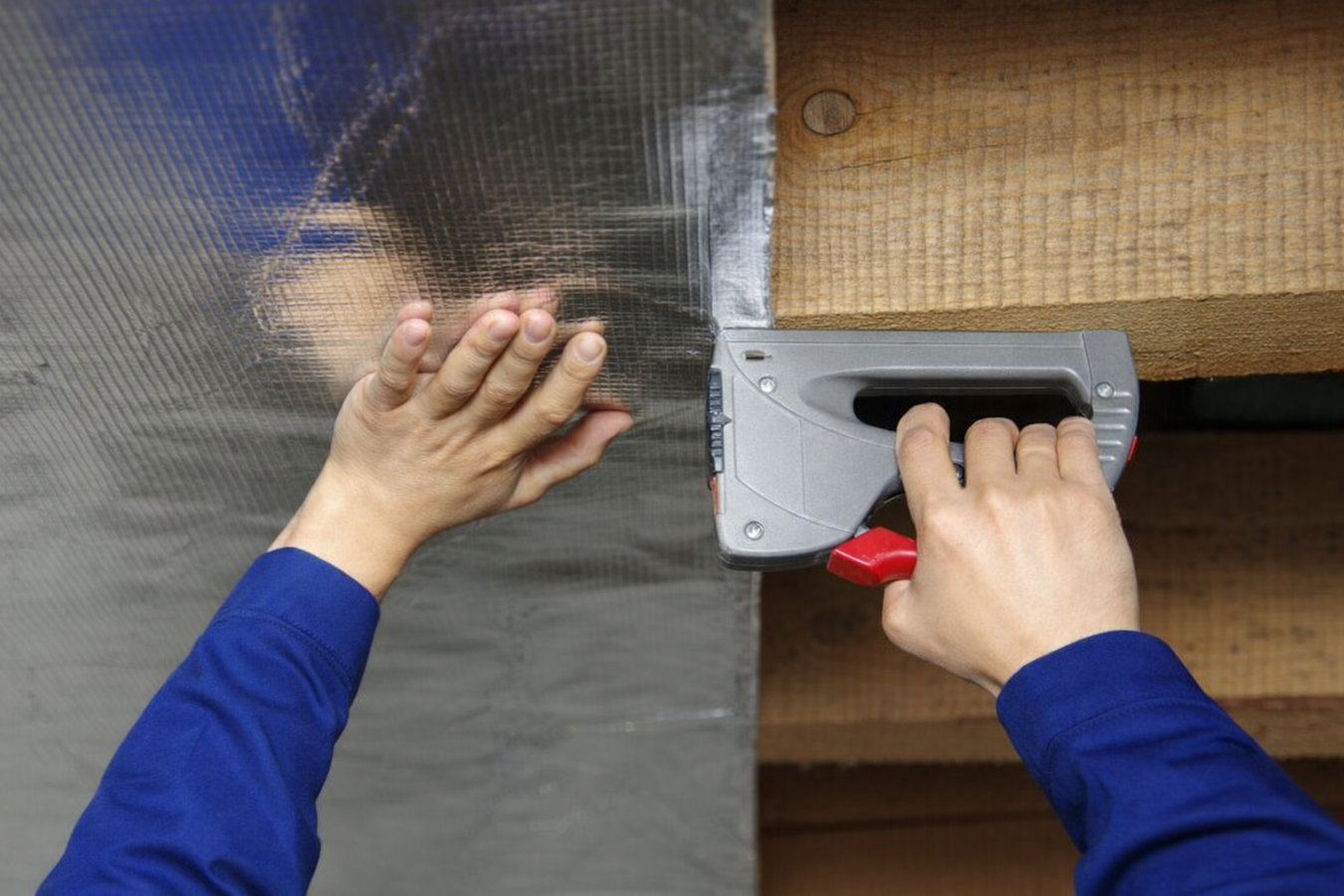
Vapor barrier installation in Mount Pleasant involves a crew entering your crawl space, clearing out any debris, and rolling heavy-duty plastic sheeting across the entire ground surface with overlapping, taped seams and edges secured to the foundation walls - and most single-family homes are completed in one to two days.
Mount Pleasant's coastal plain sits in one of the most persistently humid regions of the country, and a significant share of the housing stock - especially in older neighborhoods like Old Village and Snee Farm - was built with thin plastic sheeting that has long since degraded, or with nothing at all. Without a proper barrier, the sandy, moisture-retaining soil beneath your home releases humidity upward continuously. That moisture is what causes soft floors, musty smells, condensation on pipes, and higher cooling costs during Mount Pleasant's long summer season. Pairing vapor barrier installation with attic air sealing addresses moisture entry at both ends of the home - the crawl space below and the attic above.
For homes where a ground-level barrier alone is not enough - particularly those near tidal creeks or in flood-prone areas - we also offer full crawl space vapor barrier work that includes sealed foundation vents and active dehumidification. The right approach depends on what your specific crawl space looks like, and we will explain the options clearly after we have seen it.
If you notice a damp, earthy smell inside your home - particularly in rooms near the floor or in closets on the ground level - that odor is often coming up from an unprotected crawl space. In Mount Pleasant's humid summers, an unsealed crawl space acts like a sponge, and that moisture and the mold it feeds can make the whole house smell stale. This is one of the most common reasons local homeowners call for an inspection.
Wood floor joists and subfloor panels absorb moisture over time when a crawl space is not properly sealed. If you notice spots where your floor feels softer than it used to, or where there is a slight bounce when you walk, the wood underneath may have been taking on moisture for a while. Catching this early - before the wood actually rots - saves you from a much more expensive repair.
If you have ever peeked into your crawl space and noticed water droplets forming on pipes, metal ducts, or the underside of the floor, the air down there is saturated with moisture. This is especially common in Mount Pleasant homes during spring and summer when warm, humid outdoor air meets the cooler surfaces in the crawl space. It is a sign that moisture is working on your home's structure right now.
Many homes built in Mount Pleasant before the mid-2000s either have no vapor barrier at all or have an older, thinner plastic sheet that has since torn, shifted, or degraded. If you have lived in your home for years and never had anyone look at the crawl space, there is a reasonable chance the moisture protection down there is not doing its job anymore - or never was.
We install vapor barriers for homes across Mount Pleasant and the Charleston metro, matching the installation type to what each crawl space actually needs. A ground-level installation with properly sealed seams handles the moisture in most homes. For homes with vented crawl spaces - very common in the 1980s and 1990s construction that makes up much of Mount Pleasant's housing stock - we extend the barrier up the foundation walls and fasten it at the perimeter, closing off additional moisture pathways. The difference between a barrier with sealed seams and one that is just laid loosely is the difference between a working moisture control system and plastic that does not do much.
For homes with more persistent moisture challenges, we offer full encapsulation - combining ground coverage, wall coverage, sealed foundation vents, and optional dehumidification. We also pair vapor barrier work with attic air sealing and crawl space vapor barrier assessments when homeowners want to address moisture and air leakage at the same time. The U.S. Department of Energy recommends sealed crawl spaces in humid climates like the South Carolina Lowcountry - and we build every installation to that standard.
Heavy-duty plastic sheeting covering the entire crawl space floor with taped, sealed seams - the foundation of any moisture control plan and the right starting point for most homes.
Barrier covers the floor and runs up the foundation walls with secured edges - recommended for homes with vented crawl spaces or where outside air moves freely under the house.
Complete sealed system with vents closed and an active dehumidifier added - suited to homes in low-lying areas or where a standard barrier has not been sufficient on its own.
Mount Pleasant averages around 52 inches of rain per year and sits on sandy, low-lying coastal plain soil where moisture stays close to the surface year-round. Average relative humidity stays above 70% for most of the year - not just during the summer rainy season, but through fall and winter as well. For homes with crawl spaces, that means continuous upward moisture pressure from the soil below. Many homes in this area, particularly those built during the rapid growth years of the 1990s and early 2000s, were constructed with thin plastic sheeting that was not designed to handle decades of Lowcountry humidity. If that material has not been replaced, it is very likely no longer doing its job.
Homeowners in Folly Beach and West Ashley face the same moisture dynamics - the entire Lowcountry coast sits in conditions that demand proper crawl space protection. Hurricane season, which runs June through November, brings heavy rainfall that pushes additional moisture into unprotected crawl spaces throughout the region. Scheduling installation in late winter or early spring, before the busiest months, means your home is protected before the wettest part of the year begins - and you are more likely to get the scheduling slot that works for you.
We ask a few basic questions - the size of your home, whether you have noticed moisture issues, and whether anyone has been in the crawl space recently. We then schedule a free estimate, typically within a few business days.
We access your crawl space and spend time evaluating the ground condition, any existing plastic sheeting, signs of moisture damage, and the overall layout. You get a written estimate with a clear explanation of what we found and what we recommend.
The crew rolls out heavy plastic sheeting across the entire ground surface, overlapping and sealing every seam, then fastens the edges to the foundation walls. Most jobs in Mount Pleasant are completed in one to two days while you go about your normal routine inside.
Before the crew leaves, we walk you through the finished installation - in person or with photos if the space is tight. We point out how the seams are sealed and where the edges are fastened, and we cover what the work is warranted against before you make final payment.
We come out, take a look, and give you a written quote - no sales pressure, no obligation.
(854) 858-0208Every job meets current South Carolina building and energy code requirements, and we document what was installed and where. You get a clear written record of the work - useful at resale and any time you need proof of what was done in the crawl space.
Not all plastic sheeting is the same. We use heavier-gauge reinforced material that holds up through years of Lowcountry humidity, foot traffic during inspections, and the occasional pest. Thinner sheets tear and fail faster - and a torn barrier is not protecting your home.
We work exclusively in the Charleston metro area and have been serving Mount Pleasant homeowners since 2016. We know the neighborhoods, the soil conditions, and what the humidity here does to homes over time - knowledge that matters when making recommendations under your house.
Before any work begins, you get a written estimate that covers exactly what is included - floor coverage, wall coverage, seam handling, and any prep work. If we find something unexpected in the crawl space during installation, we call you before proceeding, not after.
We have been working in Mount Pleasant and the surrounding Lowcountry since 2016, and every vapor barrier installation we do meets the installation standards outlined by the Building Science Corporation - a recognized authority on moisture management in residential construction. Our work is not guesswork; it is based on how homes actually behave in this climate.
Air sealing the attic to close off gaps where conditioned air escapes and outside humidity enters - addresses moisture and energy loss from the top of the home down.
Learn MoreSpecialized crawl space moisture control including sealed foundation walls and optional encapsulation for homes with more demanding moisture challenges.
Learn MoreSpring is the best time to protect your crawl space before hurricane season and peak humidity arrive - call now or request a free estimate online.