Loading...
Serving Mount Pleasant, SC and surrounding areas. (854) 858-0208
Your attic is letting summer heat pour into your home. Blown-in insulation fills every gap and gives your AC a fighting chance.
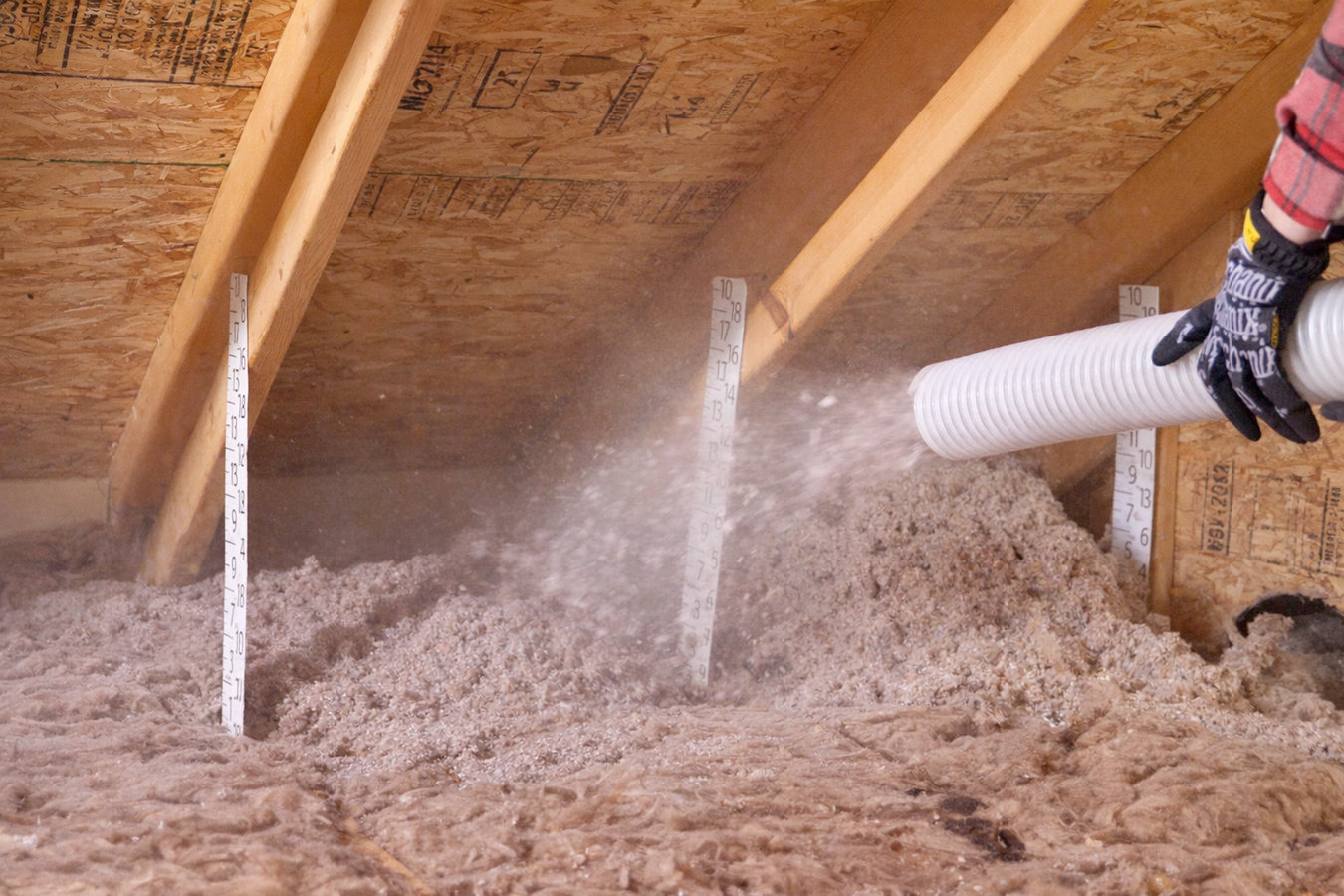
Blown-in insulation in Mount Pleasant fills your attic floor with loose fiberglass or cellulose material that slows heat from pushing through your ceiling, and most attic jobs are completed in a single day with no need to leave your home.
If your upstairs rooms feel like a different climate zone from your downstairs in July, your attic insulation is almost certainly the cause. Homes built in Mount Pleasant before 2000 often have only a few inches of material up there - far below what energy guidelines now recommend for this hot, humid region. Blown-in loose-fill insulation is one of the most practical ways to fix that, because it fills irregular spaces and corners that rigid batts simply cannot reach.
For homes where the attic itself is the living space or where moisture has been a persistent issue, you may also want to consider attic insulation options that include spray foam for a complete air seal. The right approach depends on your home and your goals.
If your second floor is noticeably warmer than the first floor all summer, your attic insulation is not doing its job. In Mount Pleasant's climate, where temperatures regularly reach the low 90s for months, a poorly insulated attic acts like a heat lamp pointed at your ceiling. Waiting makes the problem worse every year your AC runs harder to compensate.
If your electricity bill jumps sharply from May through September and you have not changed your habits, your HVAC system is working overtime to compensate for heat coming through the ceiling. A sudden increase in bills in a home you have lived in for years can also signal that existing insulation has settled or degraded over time.
If you peek into your attic and can clearly see the wooden beams running across the floor, your insulation is almost certainly too thin. Properly insulated attics in this climate should have enough material that the joists are buried and not visible. This is a quick check anyone can do from the attic hatch without climbing in.
Mount Pleasant's coastal air is naturally humid, and gaps in the attic floor allow that moisture-laden air to seep into your living space. If your home feels clammy or your HVAC struggles with humidity even when it is cooling adequately, poor attic air sealing is often a contributing factor - especially in homes built before the mid-2000s.
Our blown-in insulation work starts with a thorough assessment of what is already in your attic and where air is leaking in or out. Before any material goes in, we seal gaps around plumbing penetrations, wiring, and light fixtures - because blown-in material alone cannot stop air from moving through holes, and skipping that step means you will see less improvement on your energy bills. We install both fiberglass and cellulose loose-fill, and we recommend the right material based on your home's specific conditions.
For homes that need more comprehensive work - whether you are dealing with a hot, damp crawl space or looking to insulate the entire thermal envelope - we can pair blown-in attic work with a home insulation assessment that covers your walls, floors, and crawl space in a single project. Addressing all the areas at once is almost always more cost-effective than doing them one at a time.
Best for homes with an accessible attic floor that needs more depth - the most common upgrade in Mount Pleasant neighborhoods built before 2000.
Suited for older homes with uninsulated stud cavities - loose-fill is blown into small holes drilled in the wall, then patched when the job is done.
A moisture-resistant option that holds its shape well over time - a good fit for attics where humidity has been a concern.
Made from recycled material and known for filling tight corners thoroughly - a solid choice for attics with irregular framing or lots of obstructions.
Mount Pleasant sits in a hot, humid climate zone where attic temperatures can exceed 130 degrees on a July afternoon. An under-insulated ceiling lets that heat pour directly into your living space, which means your air conditioner runs nonstop and your energy bills climb steadily from May through September. This climate makes attic insulation upgrades pay back faster here than they would in a cooler part of the country. Many older homes in neighborhoods like Snee Farm and Longpoint were built to standards that are well below what energy guidelines recommend today - if your home was built before 2000 and has never had insulation added, there is a strong chance your attic is significantly under-insulated.
Coastal humidity adds another layer of urgency. Mount Pleasant's proximity to the Intracoastal Waterway means outdoor air is frequently warm and moisture-laden. When that humid air finds its way into an attic that is not properly sealed, it creates conditions that encourage mold growth and damage the structure over time. Homeowners in Summerville and Goose Creek face the same conditions, and we serve both areas. If you are unsure whether your home needs attention, the attic joists check takes about two minutes - and a free estimate visit takes care of the rest.
We will ask a few basic questions about your home's age and what you have been noticing. You will hear back within one business day to confirm your estimate appointment.
We go into your attic, measure what is currently there, and check for air leaks around pipes, wires, and light fixtures. This takes 20 to 40 minutes, and we walk you through what we found before we leave.
You receive a written estimate that specifies the depth, coverage area, and total cost. If one quote is significantly lower than another, ask what is different - it is often the air sealing step that gets cut.
The crew seals air leaks first, then blows insulation to the agreed depth. Most attic jobs take three to five hours. We clean up around the hatch and leave you with documentation of what was installed.
Free estimate. Written quote. No obligation. We will tell you exactly what your attic needs and what it will cost.
(854) 858-0208We seal gaps around pipes, wires, and fixtures before blowing in any material. Contractors who skip this step deliver noticeably weaker results - you can verify best practices with the{" "}U.S. Department of Energy. That matters because proper air sealing is what makes the insulation actually perform.
Our crews have blown insulation into Charleston-area homes for years and know how coastal humidity affects coverage and settling. Every job meets current South Carolina building and energy code requirements, with a written record of what was installed.
We have worked on homes across Mount Pleasant and the wider Charleston metro area since 2016. We know the neighborhoods, the housing stock, and the climate conditions that affect how insulation performs in this area specifically.
You receive a record of what material was installed, what depth was achieved, and what air sealing was completed. That documentation matters when you apply for a utility rebate, claim a federal tax credit, or list your home for sale.
Every one of these details affects what you actually get for your money. A lower quote that skips air sealing will always underperform a slightly higher quote that does the job correctly.
A whole-home assessment that covers your attic, walls, crawl space, and floors in a single project.
Learn MoreDedicated attic insulation options including spray foam for homes where a complete air barrier is the priority.
Learn MoreSummer in Mount Pleasant is coming - schedule your free attic assessment now and have your home insulated before the heat peaks.