Loading...
Serving Mount Pleasant, SC and surrounding areas. (854) 858-0208
Complete Mount Pleasant Insulation serves James Island with crawl space insulation, spray foam, vapor barrier installation, and attic upgrades - we work throughout the island from Folly Road to the neighborhoods near the tidal creeks, and we have responded to James Island calls within one business day since we opened in 2016.
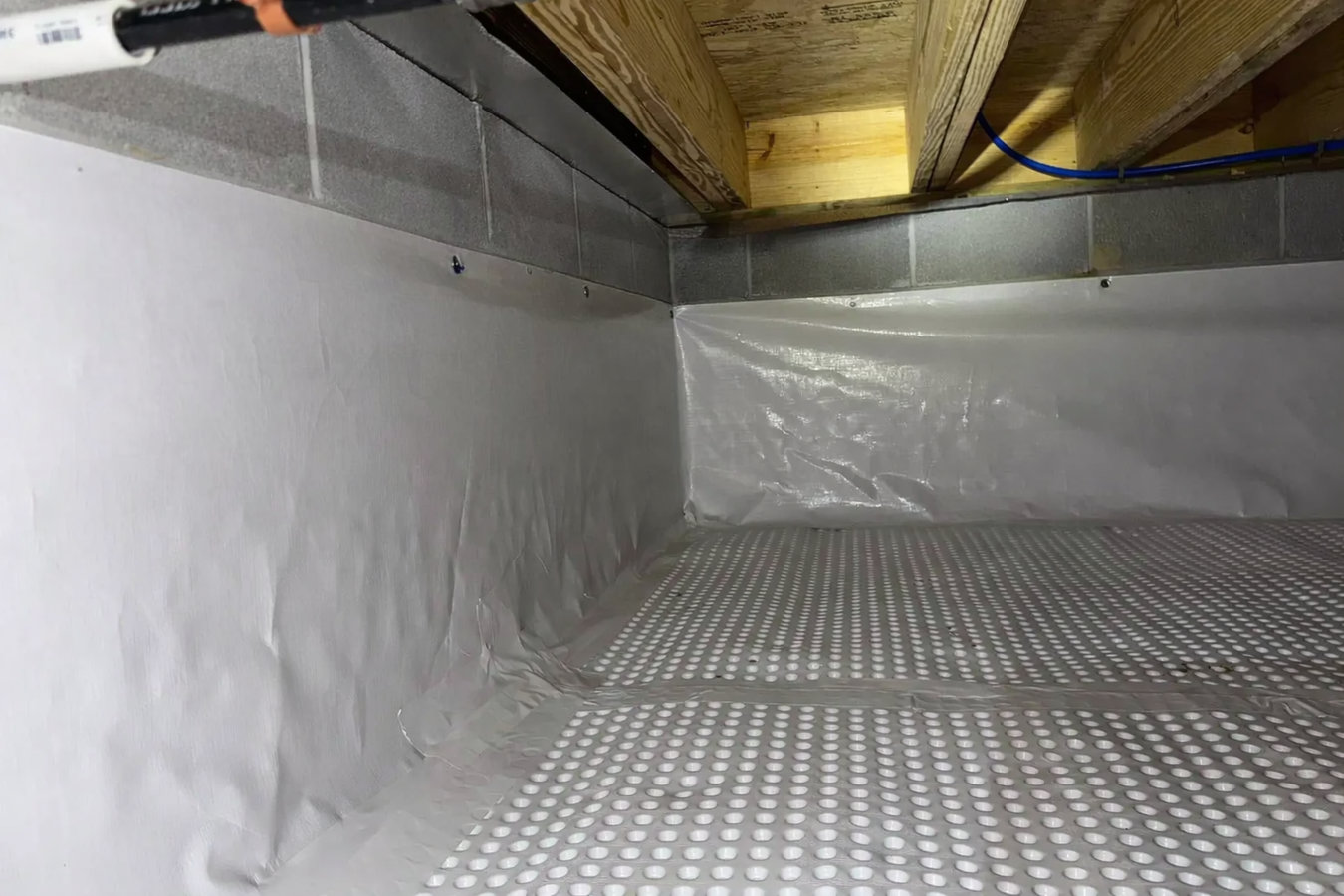
James Island homes with crawl space foundations deal with ground moisture year-round, driven by the island's low elevation and proximity to tidal creeks. Our crawl space insulation process includes assessing current moisture levels, sealing vents, insulating the walls and floor assembly, and recommending vapor barrier or full encapsulation based on what we find.
Closed-cell spray foam is the most durable insulation option for coastal James Island homes because it resists moisture, does not absorb water after a brief flood event, and creates a true air barrier. We apply it to crawl space walls, rim joists, and underfloor assemblies on elevated homes where traditional batt insulation degrades quickly in the salt-air environment.
Ground moisture migration is one of the most common problems in James Island crawl spaces, and a heavy-duty vapor barrier installed across the floor and up the walls stops it at the source. Older homes near the island's tidal creeks are especially prone to this issue, and a properly sealed barrier prevents mold growth and wood rot in the floor framing above.
James Island's older brick ranch homes from the 1950s and 1960s often have attic insulation that is 60 years old - compressed, moisture-damaged, and performing well below its original R-value. We evaluate current depth and condition, seal attic air leaks first, then bring the space up to a level that reduces the cooling load during the island's long, humid summers.
In James Island's humid coastal climate, air leaks between the living space and the attic pull hot, humid outdoor air into the home all summer. Sealing those penetrations around light fixtures, top plates, and HVAC boots before adding insulation prevents the insulation from working against a constant infiltration problem. This step matters more here than in most inland locations.
Original insulation in James Island homes built before 1990 has frequently been wet, compressed, or disturbed by pest activity over the decades. Installing new insulation over degraded material does not restore performance - it just covers the problem. We remove and dispose of old material cleanly before installing the upgraded system, which is especially important in attics and crawl spaces that have seen moisture intrusion.
James Island is a barrier island in Charleston County, and the conditions that come with that geography affect insulation and moisture management in ways that do not apply a few miles inland. The island sits at very low elevation - much of it just a few feet above sea level - with tidal creeks and marsh on multiple sides. Salt air moves across the island year-round, not just during storm season, and that salt accelerates the deterioration of metal fasteners, wood framing, and insulation materials faster than homeowners typically expect. The island's housing stock ranges from 1950s and 1960s brick ranch homes to newer subdivisions built in the 1990s and 2000s. The older homes need more work, but even the newer ones are now reaching the age where original insulation and moisture barriers need evaluation.
Flooding is a lived reality for many James Island homeowners, particularly in neighborhoods near the tidal creeks and in designated FEMA flood zones. Some homes are elevated on piers to meet flood insurance requirements. Others are ground-level ranches on slabs that have absorbed storm moisture through foundation walls and crawl spaces over decades. Hurricane season from June through November brings recurring flood risk from storm surge off the Ashley River and the Atlantic, and even a near-miss storm can push water under doors and through crawl space vents. Insulation and moisture barrier work in this environment requires choosing materials and methods that can withstand a coastal exposure, not just a typical suburban one.
Our crew works throughout James Island regularly, and the island's variety of home types - from postwar brick ranches near the older neighborhoods to elevated pier homes near the marsh and newer vinyl-sided construction off Folly Road - means we encounter very different conditions on the same day. Folly Road, which cuts through the center of the island toward Folly Beach, is the road most James Island homeowners use every day, and the neighborhoods on both sides of it represent a wide cross-section of what we work on here.
Homes near James Island County Park and the interior neighborhoods tend to be older, mostly ranches from the 1960s and 1970s on slab foundations. We see a lot of degraded original insulation and first-generation vapor barriers in those crawl spaces. Homes closer to the tidal creeks on the south side of the island include elevated structures where moisture management under the floor assembly is the primary concern. We know the difference, and we scope every job based on what the house actually needs.
We also serve homeowners in Folly Beach, where coastal exposure and flood-zone conditions are even more pronounced, and in Charleston, which sits just across the bridges to the north. If you are on James Island and want a straight answer about what your home needs, call us and we will give you one.
Reach us by phone or through the contact form and we will respond within one business day. A few details about your home - age, foundation type, what you are noticing - help us arrive prepared for the assessment.
We inspect the attic, crawl space, and any areas you flag. We measure moisture, assess current insulation depth and condition, and note any flood or water damage. You get a written scope and price before we schedule any work - no pressure and no obligation.
We arrive on the agreed date and complete the work to the written scope. Most attic upgrades finish in one day. Crawl space encapsulations with removal typically run two to three days. We clean up the work area completely before we leave.
Before we leave, we walk you through what was done, show you the completed work, and answer any questions. If you notice anything after we leave that you want us to look at, call us - we stand behind the work.
We serve all of James Island - from Folly Road to the marsh neighborhoods. No obligation, no pressure, just a straight answer about what your home needs.
(854) 858-0208James Island is a barrier island in Charleston County, home to roughly 12,000 to 13,000 residents. It sits just west of downtown Charleston and is connected to the city by bridges over the Ashley River and the James Island Expressway. Most residents cross those bridges daily for work, shopping, or dining. The island has a mix of older neighborhoods built in the 1950s and 1960s - many of them brick ranch homes on slabs - and newer subdivisions that filled in the remaining land from the 1990s through the 2010s. For a comprehensive overview of the island's history and geography, the James Island Wikipedia article is a useful starting point.
Folly Road runs through the center of the island and is the main route to Folly Beach at the southern tip. James Island County Park, on the west side of the island, is one of the county's most visited parks and a landmark most residents know well. The island has a genuinely coastal character - salt air, tidal creeks winding through the marshes, and the kind of weather that reminds you every summer that you live near the ocean. We also serve homeowners in Charleston and in West Ashley, the large suburban area on the other side of the Ashley River.
Call us today or submit the contact form and we will respond within one business day - coastal homes need the right approach, and we know what works on James Island.