Loading...
Serving Mount Pleasant, SC and surrounding areas. (854) 858-0208
If your home runs hot in summer and your energy bills keep climbing, air leaks are likely the cause. We spray open-cell foam into your attic, crawl space, or walls and seal those gaps for good.
If your home runs hot in summer and your energy bills keep climbing, air leaks are likely the cause. We spray open-cell foam into your attic, crawl space, or walls and seal those gaps for good.
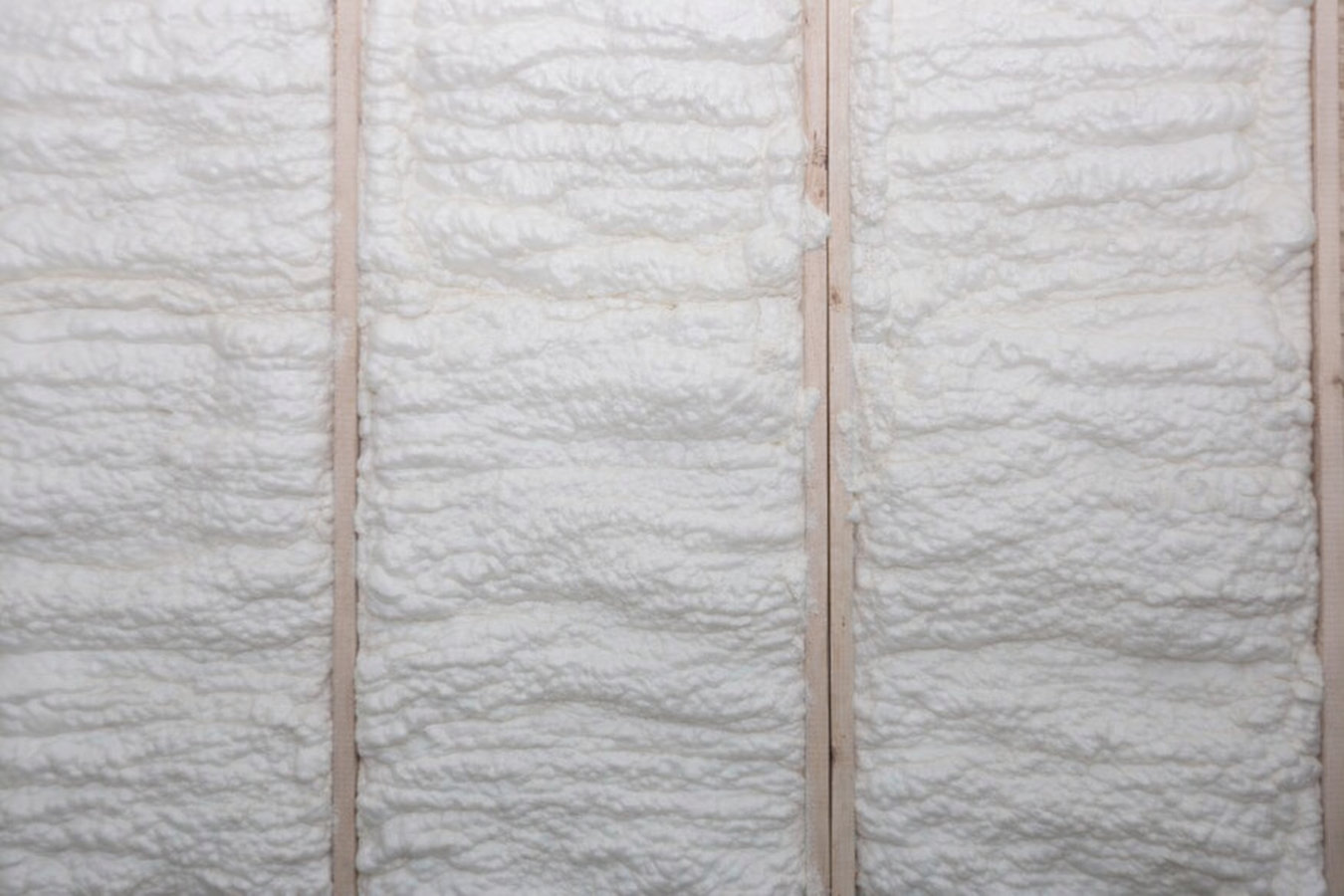
Open-cell foam insulation in Mount Pleasant is a soft, flexible spray-applied material that expands to fill wall cavities, attic spaces, and crawl spaces - sealing air leaks and slowing heat transfer - and most residential jobs are completed in a single day.
Unlike fiberglass batts that sit in a cavity and leave gaps around wires, pipes, and framing, open-cell foam bonds to every surface it touches. In a coastal South Carolina climate where summer humidity stays above 80 percent for months at a time, those unsealed gaps are the main pathway for hot, damp outdoor air to flood into your living space and push up your cooling costs. If you are also dealing with moisture in your crawl space, pairing open-cell foam with air sealing services addresses both problems at once.
Homes built in Mount Pleasant before 2000 - particularly in neighborhoods like Snee Farm, the Old Village, and subdivisions along Long Point Road - were often constructed before energy codes required continuous air barriers. That means a large share of local homes have significant air leakage that traditional insulation never touched. Open-cell foam is one of the most direct ways to fix that.
If your electricity bill climbs sharply from May through September and your HVAC runs almost constantly, your home is likely losing conditioned air through gaps in the building envelope. In Mount Pleasant's climate, an air conditioner fighting a leaky attic or crawl space will run far more than it should.
A musty odor, especially after a stretch of humid weather, often points to moisture getting in through an unsealed attic or crawl space. In the Lowcountry, an uninsulated crawl space is essentially an open door for damp air. Moisture stains on attic framing or a white powdery residue on crawl space walls are signs the space should be sealed.
If your second-floor bedrooms feel noticeably warmer than the rest of the house in summer, or floors feel cold in winter despite the heat running, the insulation between your living space and the unconditioned space above or below is likely inadequate. This is a common complaint in Mount Pleasant homes built in the 1980s and 1990s.
Hold your hand near an electrical outlet on an exterior wall on a hot summer day. If you feel warm air coming in, that outlet is connected to a gap that leads outside. These small leaks add up across an entire house and are exactly the kind of problem spray foam addresses that fiberglass batts cannot - because foam fills the cavity completely.
We apply open-cell spray foam across attics, crawl spaces, exterior walls, and rim joists throughout Mount Pleasant and the surrounding area. For attic work, we assess whether your home benefits more from foam on the attic floor or on the underside of the roof deck - homes with ductwork in the attic often see a larger improvement from the latter approach. For crawl spaces, we apply foam to the perimeter walls and rim joists to stop humid outdoor air from entering the space under your floors. If you are weighing open-cell against a denser product, we also offer commercial insulation for larger or mixed-use buildings.
For homeowners who want the maximum air barrier and moisture resistance, we can also discuss spray foam insulation using closed-cell products, which are denser and more moisture-resistant but come at a higher cost per board foot. The right choice depends on your specific space, your budget, and what the space needs to perform well in the Lowcountry climate. We explain the tradeoffs clearly before any work begins - you should never feel pressured into a more expensive option you do not need.
Ideal for homes with no ductwork in the attic - a cost-effective way to create a thermal barrier between the hot roof and living space.
Best for homes where ductwork runs through the attic, bringing that space into the conditioned envelope and improving performance during storm events.
A top choice for homes on raised foundations, sealing the space under your floors from the humid outdoor air that drives up cooling costs.
Suited to renovations and additions where walls are open, providing continuous air sealing that batts cannot match.
Mount Pleasant sits in one of the most humid stretches of the Southeast, where the cooling season runs from April through October and outdoor humidity regularly stays above 80 percent. Traditional fiberglass batts slow heat conduction but do nothing to stop air from moving through the gaps around them. In this climate, that moving air is the primary driver of high energy bills - it brings hot, damp outdoor air directly into your attic or crawl space, and your air conditioner has to fight against it every hour of the day. Open-cell foam seals those pathways completely, which is why it has become the go-to choice for homeowners in neighborhoods like Snee Farm and the Old Village who have finally had enough of watching their summer electricity bills climb.
Many Mount Pleasant homes also sit on raised foundations or crawl spaces because of the area's flood zone requirements - and those crawl spaces sit close to the water table in a region with high ground moisture. An uninsulated, unsealed crawl space in this environment is a direct pipeline for humid air and mold spores into your living space. We serve homeowners across the area, including Hanahan and James Island, where crawl space conditions are a common challenge. The Spray Polyurethane Foam Alliance publishes installation guidance specific to humid climates that we follow on every job.
We will ask a few basic questions about your space - attic, crawl space, or walls - and the approximate square footage. Most Mount Pleasant homeowners can schedule an in-home assessment within a few days.
We walk through the spaces being considered, check for moisture issues that need addressing first, and explain the recommended thickness for your specific situation. A written estimate follows within one business day.
If your project requires a building permit, we handle pulling it. Once permits are confirmed, we schedule the installation date that works for your household.
Our crew works through the space in sections, checking foam depth as they go. Before leaving, we walk you through the completed work so you can see the coverage yourself.
Free written estimate. No pressure. We reply within one business day.
(854) 858-0208We work exclusively in the Charleston metro, so every project is shaped by the same heat, humidity, and crawl space conditions you are dealing with. That local experience changes which materials we recommend and how we apply them.
You receive a fully itemized written estimate before we schedule anything. No surprises on the final invoice - the scope and price are locked in writing so you know exactly what you are getting.
After spraying, we measure the foam depth to confirm it meets the target thickness for your home. A contractor affiliated with the Spray Polyurethane Foam Alliance follows installation standards that include this step - not all contractors do.
If your project requires a Town of Mount Pleasant building permit, we handle the application and coordinate the inspection. You do not have to navigate that process yourself, and the finished work is on record.
Every one of these commitments comes back to one thing: you should know exactly what you are getting and why before a single drop of foam is sprayed. That is how we work, and it is why our customers in Mount Pleasant recommend us to their neighbors.
Ask for local references and a written estimate anytime before you schedule work.
Insulation solutions for retail spaces, offices, and commercial buildings across Mount Pleasant and the Charleston metro.
Learn MoreClosed-cell spray foam for maximum moisture resistance and air sealing in demanding applications.
Learn MoreCooling season in the Lowcountry lasts most of the year - every month you wait is another month of paying for air you are losing.