Loading...
Serving Mount Pleasant, SC and surrounding areas. (854) 858-0208
Complete Mount Pleasant Insulation serves Folly Beach with vapor barrier installation, spray foam, crawl space insulation, and attic upgrades built for the island's salt air, flood zone conditions, and elevated piling homes - we respond to Folly Beach calls within one business day and have served the coastal Charleston area since 2016.
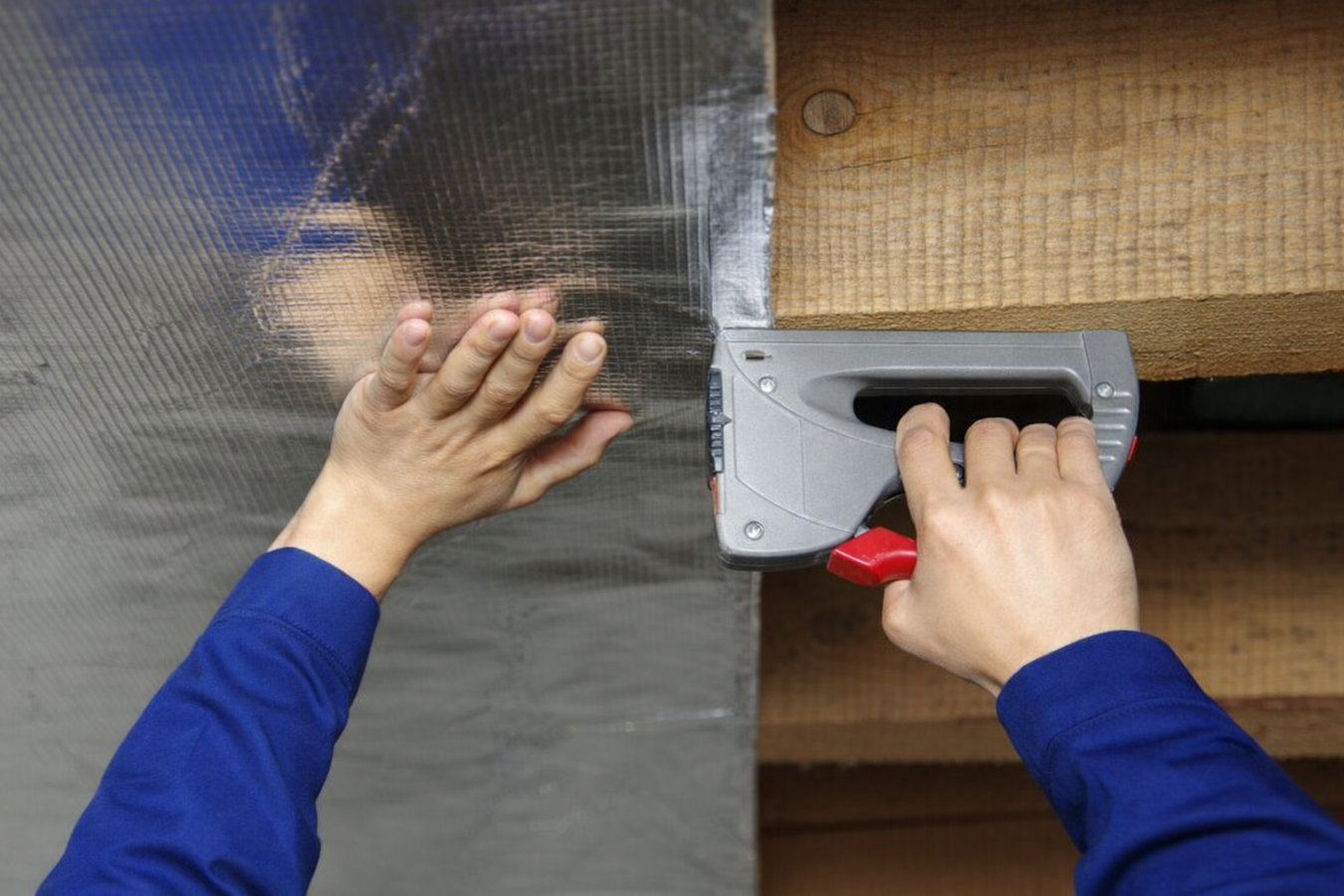
Folly Beach homes sit entirely within a FEMA flood zone, and the ground moisture and sea air that moves under an elevated piling home or through a crawl space vent causes real damage to floor framing and subfloor decking. Our vapor barrier installation uses heavy-duty liners rated for coastal exposure, sealed at all seams and penetrations to stop moisture from rising into the structure above.
Closed-cell spray foam is the right insulation for the underside of floor assemblies on Folly Beach piling homes because it resists moisture, does not absorb saltwater, and can be dried out after a flood event without losing its performance. We apply it to the subfloor, rim joists, and any enclosed under-home areas on the island's elevated structures where fiberglass batt would quickly degrade in the coastal environment.
Older Folly Beach beach cottages with enclosed crawl spaces face persistent moisture intrusion from the high water table and the salt air that enters through foundation vents. Insulating and sealing those spaces reduces humidity inside the home and protects the wood framing from the rot and mold that develop quickly in a coastal environment when the crawl space is left unprotected.
The hot, humid summers on Folly Beach push attic temperatures well above 130 degrees on sunny days, and homes with inadequate attic insulation transfer that heat directly into the living space and onto the air conditioning system. Many of the island's older beach cottages still have their original attic insulation, which has long since compressed or absorbed moisture and needs to be replaced to restore thermal performance.
On Folly Beach, air leaks between the living space and the attic bring hot, salt-laden outdoor air directly into the home during the summer months. Sealing penetrations around light fixtures, top plates, and HVAC boots before upgrading attic insulation prevents the insulation from working against a constant infiltration problem - a step that matters more in a coastal setting than it does a few miles inland.
Folly Beach homes that have experienced flooding or prolonged exposure to salt air humidity frequently have original insulation that is wet, compacted, or contaminated with mold. Installing new insulation over degraded material traps the problem underneath and does not restore performance. We remove and dispose of old material properly before bringing the space up to current standards.
Folly Beach is a small barrier island about 12 miles from downtown Charleston, and the conditions here are genuinely different from what you find on the mainland. The island is entirely within FEMA-designated flood zones, and the local building code requires most homes to be elevated on wood or concrete pilings - typically 8 to 12 feet above grade - to meet flood insurance requirements. That elevated design means there is no slab foundation acting as a barrier between the ground moisture and the floor assembly. Salt air blows across the island from the Atlantic on one side and the Folly River on the other, every single day, and that salt accelerates deterioration of paint, metal fasteners, HVAC equipment, and any insulation material that is not rated for a wet, corrosive environment. The combination of constant humidity, coastal moisture, and occasional storm flooding makes this one of the most demanding insulation environments in the Charleston region.
The island's housing stock is a mix of mid-century beach cottages - many originally built as seasonal structures that have since become year-round or vacation rental properties - and larger, newer vacation homes built from the 1990s to today. The older cottages often have original insulation and vapor barriers that have long since failed, and many were not built with the coastal exposure standards that current codes require. The newer homes are built tougher but are now approaching 25 to 30 years of age and are starting to show the effects of continuous salt air exposure. Hurricane season from June through November adds recurring risk from storm surge off both the ocean and the river. Properly specified vapor barriers and moisture-resistant insulation are not optional upgrades on Folly Beach - they are the baseline for protecting the structure.
Our crew works throughout Folly Beach regularly, and the island's single access road - Folly Road leading off the James Island Connector - means we plan our schedule around traffic during peak summer weekends when the island's population swells with visitors. Most of the insulation work we do on Folly Beach involves elevated piling homes, which have different access requirements and different scoping considerations than the ground-level construction we work on elsewhere in the Charleston area. We know how to work under an elevated home safely and efficiently, and we carry the right equipment to reach under-floor assemblies without damaging decks or piling structures.
Center Street, the main commercial strip running through the middle of the island, is the landmark most Folly Beach residents and visitors know, and the neighborhoods on both sides of it represent the older beach cottage stock we work on most frequently. The Folly Beach County Park on the west end of the island marks the quieter residential streets we also serve, where some of the island's older seasonal cottages have been converted to year-round use and now need insulation upgrades to support that. We understand that many Folly Beach homeowners are managing their properties remotely and may not be on the island during the job, and we are set up to coordinate with you or your property manager by phone.
We also serve homeowners in West Ashley across the James Island Connector, where a different mix of housing ages and types creates its own set of insulation needs. If you are on Folly Beach and want to understand what your home actually needs and what it will cost, call us and we will get you a straight answer.
Call us at (854) 858-0208 or submit the contact form online, and we reply within one business day. If you manage your Folly Beach home remotely, just let us know and we will coordinate everything by phone or email.
We come to your Folly Beach home, inspect the under-floor assembly, crawl space, and attic, and assess moisture conditions specific to its location on the island. We explain exactly what we find and give you a written, itemized quote with no obligation - no pressure to decide on the spot.
We use materials specified for coastal salt air and flood-zone exposure - closed-cell spray foam, heavy-duty vapor barrier liners, and moisture-resistant insulation products. Our crew is familiar with working under and around elevated piling structures safely.
When the work is done, we walk through what was completed and confirm the results match the quote. If you are not on the island, we send photos and a written summary. You do not have to be present for the job to go exactly as planned.
We serve all of Folly Beach - from the streets near Center Street and the Edwin S. Taylor Pier to the homes on the west end near Folly Beach County Park. Free estimates, no obligation.
(854) 858-0208Folly Beach is a small barrier island city in Charleston County with a permanent population of around 2,200 residents - though that number grows dramatically during the summer tourist season when the island fills with visitors drawn to its beaches and its well-known laid-back character. The island carries the nickname "The Edge of America," a reference to its position at the southernmost tip of the Charleston coast and its reputation as one of the less polished, more authentic beach towns in South Carolina. The island is only about six miles long and a half-mile wide, and nearly all of it is developed. The Edwin S. Taylor Fishing Pier, a 1,045-foot public pier at the heart of the island, is the landmark most people picture when they think of Folly Beach. The majority of the island's homes are used as vacation rentals or second residences, and a large share of property owners manage them from Charleston or out of state.
The housing stock on Folly Beach reflects the island's history as a seasonal destination that has gradually shifted toward year-round and investment use. Older mid-century beach cottages survive on the interior blocks, many now updated or converted to short-term rentals. Newer vacation homes - larger, elevated on taller pilings, and built to current flood zone standards - have replaced much of the older oceanfront and channel-front stock over the past three decades. The island faces some of the highest erosion rates on the South Carolina coast, and the recurring beach renourishment work carried out by the Army Corps of Engineers is a visible reminder of how actively the shoreline is managed. Folly Beach sits adjacent to James Island, which provides the main road access to the island, and is about 12 miles from Charleston, where most permanent residents commute for work and services.
Call us today or submit a free estimate request - we respond within one business day and know exactly what coastal homes on Folly Beach need.