Loading...
Serving Mount Pleasant, SC and surrounding areas. (854) 858-0208
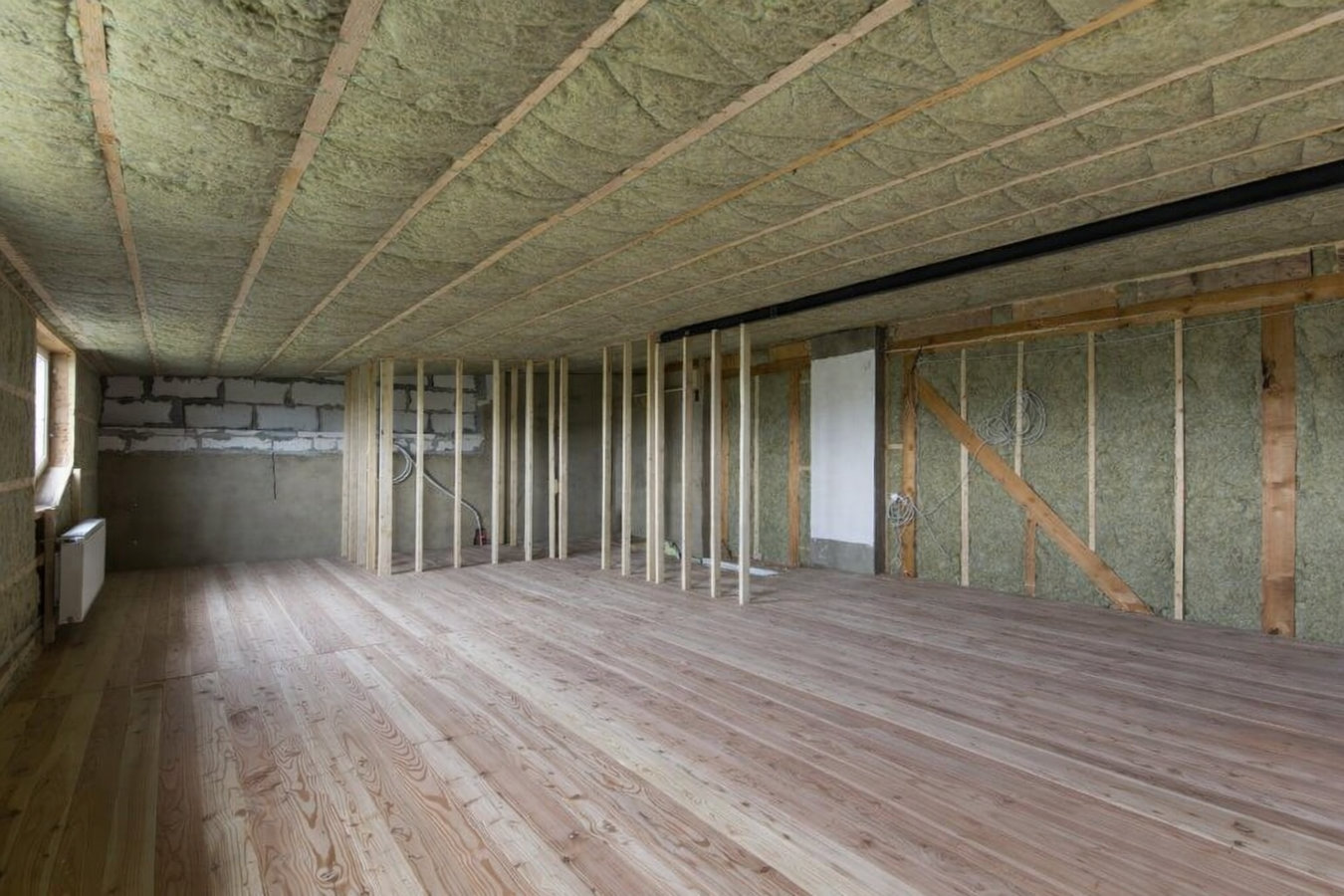
Cold floors, musty smells, and high cooling costs often trace back to an under-insulated basement. We install the right materials for this climate and make sure the work lasts.
Basement insulation in Mount Pleasant creates a thermal barrier between your living space and the cold, damp air that collects below grade - most residential projects cover basement walls, the rim joist, or the floor above, and are completed in one to two days.
In the Lowcountry, moisture is the factor that separates a successful basement insulation job from one that fails within a few years. Mount Pleasant basements are exposed to high humidity year-round, shallow water tables in flood-prone neighborhoods, and the sustained heat of a long cooling season. Choosing the right material - typically closed-cell spray foam or rigid foam board rather than fiberglass batts - makes the difference between insulation that holds up and insulation that turns into a mold problem.
Basement insulation rarely works in isolation. Gaps around the rim joist and any penetrations for pipes or wires need to be sealed at the same time. If you are also looking at closed-cell foam insulation for other parts of your home, combining both projects in a single visit often delivers the best results and saves on mobilization costs.
If the floors on your main level feel noticeably cooler than the rest of the house - especially during winter cold snaps - heat is escaping through an under-insulated basement ceiling. This is a common complaint in older Mount Pleasant homes along the Highway 17 corridor, where original insulation has sagged or been damaged by moisture. The problem does not fix itself and gets worse each winter.
A musty or earthy odor coming from the basement is one of the clearest signs that moisture is getting in and not getting out. In Mount Pleasant's humid climate, basements without proper insulation and air sealing pull in warm, moist air that condenses on cooler surfaces. That moisture feeds mold and mildew, and the smell is your first warning before visible damage appears.
If your cooling costs jump from May through September, your basement may be letting conditioned air escape and hot, humid air in. Mount Pleasant summers run well above 90 degrees from June through August, and an uninsulated basement makes your air conditioner work far harder than it should. Comparing year-over-year bills during the same months can help you spot whether this is the culprit.
The rim joist - the band of wood framing at the top of your foundation wall just below the first floor - is one of the most common air leak points in older homes. If you look up in your basement and see daylight, gaps, or old fluffy insulation that has fallen or compressed, that area is leaking both air and energy. This is one of the most fixable problems in Mount Pleasant homes built before the 1990s.
We install insulation in all below-grade areas of a home - basement walls, the rim joist, the floor above the basement, and the transition zones around pipes, wires, and mechanical penetrations. The right material depends on how the space is used and what moisture conditions are present. For finished basements and any space with direct ground contact, we typically recommend closed-cell foam insulation or rigid foam board because both resist moisture rather than absorbing it.
For homes where the basement shares a wall or floor with a crawl space, we often pair basement work with crawl space insulation to create a continuous sealed envelope under the home. This combined approach delivers the most consistent improvement in floor comfort and energy performance, and it eliminates the gaps that individually treating one space often leaves behind.
Best for finished basements or any space used for living - insulating the walls directly creates a conditioned zone that stays comfortable year-round.
Ideal for homes with significant air leakage at the foundation-to-framing transition - often the single highest-impact fix in an older home.
The right choice for unfinished storage basements - insulating the floor above keeps living spaces above comfortable without conditioning the basement itself.
For any basement with a history of water intrusion - we check for moisture sources before insulation is installed so the work holds up for the long term.
Mount Pleasant sits on low-lying coastal plain soils with a water table that rises close to the surface in many neighborhoods - particularly near the Wando River and tidal marsh areas. After heavy rain or storm surge, basement walls in these zones can face hydrostatic pressure, meaning water pushes in from the outside. Before insulation goes in, a contractor should assess whether any seepage has occurred, because insulating over a moisture problem traps it and accelerates the damage. The city also receives roughly 51 inches of rain per year, so this is not a rare edge case - it is a routine part of the assessment for any basement in this area.
Neighborhoods like Old Village and Mount Pleasant corridors along Highway 17 include many homes built in the 1970s through 1990s - often with little or no basement insulation, or with original fiberglass batts that have long since failed. Homeowners in Goose Creek and other surrounding communities face similar challenges with aging housing stock and the same coastal climate conditions. For the U.S. Department of Energy guidance on basement insulation approaches for humid climates, see energy.gov.
We will ask a few quick questions about your basement size, whether it is finished or unfinished, and any moisture history. You will hear back within one business day to schedule an on-site look.
We walk through the basement, check for moisture, inspect the rim joist and any existing insulation, and note anything that needs addressing before new material goes in. This visit typically takes 30 to 60 minutes.
You receive a written estimate with a breakdown of materials, labor, and total cost before any work is agreed to. No pressure to decide on the spot - take time to compare it with other quotes if you like.
Most basement jobs finish in one day. The crew cleans up before they leave, and we do a final walkthrough so you can see exactly what was done. If a permit inspection is required, we coordinate it with the local building department.
Free estimate, no pressure. We will assess your basement, check for moisture, and give you a written quote before any work begins.
(854) 858-0208We assess every basement for signs of water intrusion - staining, efflorescence, or musty odors - before a single panel or can of foam is installed. This step is non-negotiable in the Lowcountry, where skipping it turns a good insulation job into a mold problem within a few years.
We recommend and install moisture-resistant options - closed-cell spray foam and rigid foam board - for below-grade spaces in this area, not the fiberglass batts that absorb humidity and fail over time. What works in a dry inland climate does not always work in Mount Pleasant.
Every job meets current South Carolina building and energy code requirements, and we document what was installed and where. That written record protects you at resale and gives you proof of the work down the road.
If your project requires a permit from the Town of Mount Pleasant Building Inspections department, we handle the application. We also leave your basement clean at the end of every job - no loose material, no debris for you to deal with after we leave.
Every basement insulation job we do starts with an honest assessment of what the space actually needs - not the most expensive solution, but the right one for your home and budget. That approach is what keeps Mount Pleasant homeowners calling us back and referring their neighbors.
Dense, moisture-resistant closed-cell foam that is the top-performing choice for below-grade spaces in coastal South Carolina.
Learn MoreCrawl space insulation that seals out humid Lowcountry air and protects the structure under your home from moisture damage.
Learn MoreMount Pleasant summers are long and expensive to cool - get a free estimate now and have the work done before peak season.